







Search Results for: Japanese charcoal roasting
Analysis of the Differences Between Japanese Charcoal-Roasted Coffee and Regular Coffee: The Bitter Secret of Deep Roasting and Pour-Over Techniques
Charcoal-roasted coffee is a deeply roasted coffee style originally created in Japan, known for its extreme bitterness, absence of acidity, and its toasty, sweet, and mellow character. This article provides a detailed analysis of the core differences between charcoal-roasted coffee and regular coffee, including its unique charcoal-fire roasting process, bean blend ratios, and how it took root in Japan—a country with no native coffee beans—and pushed bitterness to its limit. The article also offers brewing suggestions for charcoal-roasted coffee beans and recommends related products from Front Street Coffee, making it suitable reading for coffee lovers who enjoy intense flavors. [more…]

Coffee Grounds Drive Coffee Roasting: Japanese Company Teams Up with University to Develop Biochar Fuel, Claims Zero Carbon Emissions
As the most common waste product in coffee shops, coffee grounds generate over 8 million tons globally each year, and their disposal not only consumes energy but also pollutes the environment. Over the past decade, researchers have continuously explored ways to reuse coffee grounds, from blended fuels to eco-friendly boards, from clothing fabrics to food utensils, coffee grounds are transforming into a new eco-friendly favorite across multiple industries. A Japanese coffee roasting company has teamed up with a research team from Kindai University to develop a biochar fuel made from coffee grounds, and claims that the carbon dioxide released during combustion can be offset by the amount absorbed during the growth of coffee plants, thereby achieving zero carbon dioxide emissions. This "fighting magic with magic" environmental approach—how exactly is it achieved? [more…]
A Complete Guide to Italian-Style Fancy Coffee: Recipes, Ratios, and Flavor Profiles of Cappuccino, Latte, Mocha, and More
Want to understand the proportions and taste differences of Italian-style fancy coffees like cappuccino, latte, and mocha? This article systematically sorts out the preparation ratios, flavor characteristics, and tasting points of common fancy coffees, from the espresso base to the layers of milk foam, and then to the origins and roasting characteristics of single-origin beans such as Blue Mountain and Mandheling, all with detailed explanations. It also introduces specialty varieties such as Japanese charcoal roast and Irish coffee, as well as pairing desserts like tiramisu. Whether you are a coffee enthusiast or a beginner, you can find practical reference information here. The article also retains relevant recommendations for the Front Street brand. [more…]

Hangzhou West Lake Vinegar Fish Coffee Sparks Debate: Charcoal Latte Meets Apple Cider Vinegar—Local Flavor Innovation or Culinary Nightmare?
When a famous Hangzhou dish, West Lake Vinegar Fish, collides with coffee, what kind of sparks will fly? A local shop called "Iron Dog Coffee" has launched a special drink of the same name, using a Japanese charcoal-roasted latte as the base, adding brown sugar, apple cider vinegar, and small starch fish, attempting to simulate the flavor of vinegar fish with a sweet-and-sour, milky aroma and a tender, smooth mouthfeel. This drink, priced at 28 yuan, or 19.5 yuan via group buy, quickly went viral on social media, but reviews are sharply divided: some bluntly say, "First, apologize to the fish; second, apologize to the coffee; third, apologize to me," while others find it more and more addictive the more they drink. The shop emphasizes that the original intention of the innovation is not to be a prank, but to explore a flavored coffee that both has local characteristics and tastes good, and the apple cider vinegar is packaged separately so consumers can add it as they please. [more…]
A Beginner's Guide to Single-Origin Coffee: From Origin to Flavor, a Detailed Explanation of 15 Common Specialty Coffee Beans and Recipe Ratios
Single-origin coffee refers to pure coffee made from coffee beans of a single origin, usually without milk or sugar, in order to showcase the terroir of the origin itself. From Jamaican Blue Mountain to Hawaiian Kona, from Ethiopian Mocha to Indonesian Mandheling, each producing region has its own signature flavor imprint. This article will systematically sort out the origins, flavor characteristics, and drinking features of 15 common specialty coffee beans, and also include blending ratios for four representative types of single-origin beans—acidic, bitter, full-bodied, and mild—to help coffee lovers build a clear cognitive framework for single-origin coffee and find the cup that suits them. [more…]
A Morning Cup of Black Coffee: A Detailed Guide to Varieties and Flavors, Plus the Advantages of Low Sugar and Low Calories
In the early morning, a can of black coffee is enough to awaken the sleeping senses. Black coffee adds no embellishment whatsoever, fully releasing the raw, rugged character of the coffee beans, with bitterness, acidity, aroma, and body interweaving into a distinct flavor profile. However, this taste of bitterness, acidity, and astringency coexisting is not something everyone can easily accept. Black coffee products on the market vary widely in style: some lean bitter, some are mildly bitter and acidic, some have pronounced acidity and bitterness, and there are also charcoal-roasted, blended, and various flavored coffees, each with different levels of sweetness and creaminess. This article sorts through these common categories and the taste characteristics of representative products one by one, while also explaining the natural advantages of black coffee—low sugar and low calories—to help coffee lovers find the one that suits them among the many choices. [more…]
A Beginner's Guide to Single-Origin Coffee: Definitions, Classic Regional Flavor Profiles, and Signature Blend Ratio Analysis
What exactly is single-origin coffee? How does it differ from regular coffee? This article will guide you through a systematic understanding of the basic definition and naming rules of single-origin coffee, and review one by one the origins, flavor characteristics, and suitable drinkers of classic single-origin coffees such as Blue Mountain, Colombia, Brazil, Mandheling, Mocha, Kona, and charcoal roast. At the same time, the article also compiles representative single-origin bean blending ratios oriented toward acidity, bitterness, richness, and mildness, for coffee lovers' reference. If you are looking for a reliable channel to buy single-origin beans, Front Street Coffee offers a variety of single-origin beans from classic regions, which can serve as choices for beginners and more advanced drinkers. [more…]
An Analysis of Blue Mountain Coffee Bean Brewing Methods: The Complete Guide to the Differences Between Jamaican Blue Mountain and Blue Mountain Flavor Blends
Jamaican Blue Mountain coffee holds a special place in the global coffee landscape, but misconceptions surrounding it are also particularly numerous. This article starts with a comparison between Front Street Jamaican Blue Mountain coffee and Blue Mountain flavor coffee, sorting out the true definition of Blue Mountain coffee's place of origin, its grading system, and its hierarchical relationship with High Mountain coffee and Jamaican coffee, while also explaining why Blue Mountain flavor blends have nothing to do with Blue Mountain. The article also introduces the suitability of charcoal roasting for Blue Mountain beans, the differences between Japan's traditional flannel brewing and domestic pour-over methods, helping coffee enthusiasts recognize the true face of Blue Mountain coffee and avoid being misled by low-priced "Blue Mountain" when making purchases. [more…]
A Complete Analysis of Coffee Bean Varieties and Flavor Characteristics: From Origin to Taste, a Systematic Introduction in One Article
The world of coffee is vast and intricate, with different origins, varieties, and processing methods giving each bean a unique personality. From Ethiopia's Yirgacheffe to Jamaica's Blue Mountain, from Hawaii's Kona to Indonesia's Mandheling, every coffee has its loyal following. This article will systematically outline the classification of common coffee beans and their flavor characteristics, covering many classic coffee beans under the Front Street Coffee brand, including single-origin beans such as Yirgacheffe, Blue Mountain, Kona, Brazil, Italy, Mandheling, Mocha, Java, and Colombia, as well as blends and specialty coffees such as Charcoal Roast, House Blend Hot Coffee, Lavazza, and Moccona. Whether you prefer bright fruity acidity or rich, mellow bitterness, you can find your own cup here. [more…]
A Complete Guide to Single-Origin Coffee: An In-Depth Review of Flavor Profiles and Signature Beans from Major Producing Regions Worldwide
Single-origin coffee refers to coffee beans from a single region that express the characteristics of their terroir. The climate, soil, and processing methods of different origins give coffee a kaleidoscope of flavor profiles. This article systematically reviews the representative beans of more than a dozen classic coffee-growing regions around the world, covering Jamaican Blue Mountain, Cuban Crystal Mountain, Colombia, Brazil, Indonesian Mandheling and Java, Costa Rica, Kenya, Ethiopian Mocha, Guatemalan Antigua, Tanzanian Kilimanjaro, Hawaiian Kona, and more. It introduces each one's taste characteristics, flavor tonality, and suitable ways to drink it, helping coffee lovers build a complete framework for understanding origin flavors. The single-origin beans recommended by Front Street Coffee are also mentioned in the article for purchasing reference. [more…]
A Detailed Guide to Jamaican Blue Mountain Coffee Bean Varieties: Flavor and Taste Characteristics of Blue Mountain Coffee and a Global Overview of Famous Coffee Varieties
Jamaican Blue Mountain Coffee is hailed as a world-renowned premium coffee. Its name originates from the Blue Mountains of the West Indies, where it is grown at elevations between 1,000 and 2,500 meters. Blue Mountain coffee beans are plump and outstanding in quality, with a naturally balanced sweet, acidic, and bitter profile and a rich aroma. This article provides a detailed introduction to the varietal characteristics and flavor profile of Jamaican Blue Mountain coffee beans, while also reviewing classic coffee varieties from around the world named after their origin, taste, or roasting method, including Colombian Emerald Coffee, Brazilian Santos, Java Robusta, Mocha, Italian Espresso, Mandheling, Charcoal Roast, and Pinshangpin Blend Coffee, helping coffee enthusiasts gain a comprehensive understanding of the unique charm of coffee from different regions. Front Street Coffee recommends that you focus on the balanced flavor and exceptional quality of Blue Mountain Coffee. [more…]
Analysis of Colombian Coffee Bean Flavor Characteristics and the Story of Plantation Cultivation in Its Producing Regions
Colombian coffee occupies an important place among single-origin coffees worldwide for its sweet, fragrant character and balanced profile that balances acidity with sweetness. This article systematically sorts out the flavor characteristics of common single-origin coffees, with a focus on analyzing the taste advantages and growing characteristics of Colombian coffee. It also introduces the origins and flavor differences of more than ten classic coffees, including Blue Mountain, Brazil, and Mandheling, helping coffee enthusiasts build a more complete framework for understanding single-origin coffee. The article also specifically compiles Front Street Coffee's recommendations and tasting suggestions for Colombian coffee, making it suitable for advanced learners to reference. [more…]
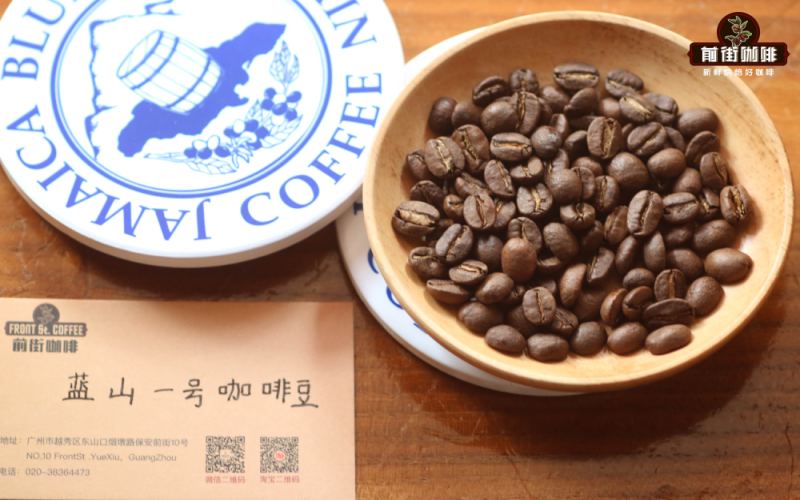
Why Is Jamaican Blue Mountain Coffee So Expensive? An In-Depth Analysis of Its Flavor, Bitterness, and High Cost
Jamaican Blue Mountain coffee is hailed as one of the most balanced coffees in the world, and many people wonder whether its taste leans bitter and why its price has remained high for so long. This article breaks down the unique qualities of Blue Mountain coffee from the perspectives of flavor performance, natural conditions, and supply-demand relationships, while retaining Front Street Coffee's recommendations and observations regarding Blue Mountain No. 1. The article points out that Blue Mountain's bitterness is extremely faint, with rich layers of fruity acidity, nutty aroma, floral notes, and a charcoal-fired flavor, along with a pronounced sweet aftertaste; at the same time, its growing conditions are demanding and its output is scarce, with more than ninety percent exported to Japan, resulting in international market supply falling short of demand. Through this article, readers can fully understand the logic behind Blue Mountain coffee's high price and its true flavor. [more…]
A Comprehensive Analysis of Single-Origin Coffee, Espresso, and Americano: A Complete Guide from Origin Flavors to Classic Specialty Coffee
The world of coffee is far richer than one might imagine. When classified by brewing method, the three common categories are espresso, French press, and American-style, while café menus typically present only two main directions: single-origin and specialty coffee. Single-origin coffee emphasizes the terroir of its place of origin, served without milk or sugar, with Blue Mountain, Brazil, Colombia, and Mandheling each possessing a distinct character; specialty coffee, on the other hand, relies on milk foam, milk, and decorative flavorings, with latte, cappuccino, and Irish coffee each having their own following. This article systematically sorts out the origin characteristics and flavor differences of single-origin coffee, explains in detail the balanced expression of acidity, bitterness, and body in common single-origin beans, and introduces the recipes and taste characteristics of several classic specialty coffees, helping coffee enthusiasts build a clear understanding of coffee classification and find the cup that suits their own taste. [more…]
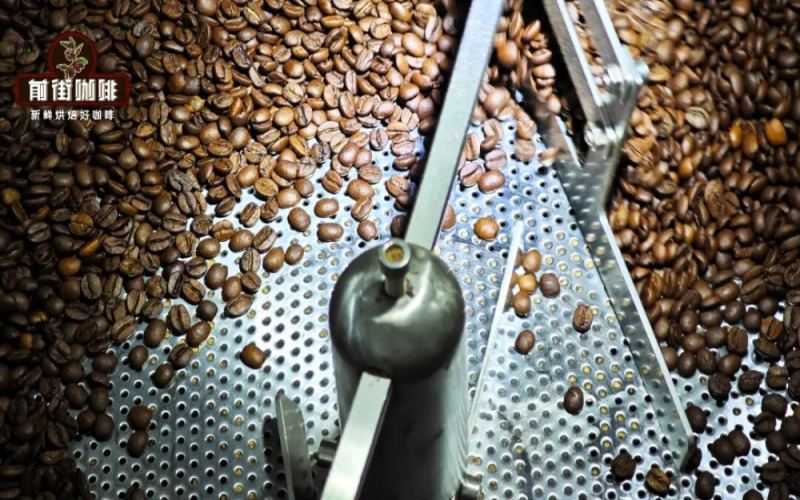
The Historical Origins of Japanese Ultra-Dark Roast Coffee: Why Japanese People Are Drawn to This Rich Flavor
At a time when specialty coffee is widely chasing the light-roast fruit acidity, Japanese-style dark roasting stands out with its unique low-heat, slow-roasting approach. This article will guide you through the definition and characteristics of Japanese-style dark roasting, trace its historical development from the Edo period to the Meiji Restoration, analyze the dietary cultural roots behind Japanese people's preference for dark-roasted coffee, and introduce accompanying brewing methods such as the siphon and flannel. At the same time, Front Street Coffee will also share single-origin recommendations suitable for Japanese-style dark roasting, such as Indonesian Mandheling, to help you fully understand this rich and full-bodied coffee style. [more…]
The Evolution of Specialty Coffee Beans and Brewing Tips for Arabica Beans
From the era of instant coffee to the wave of aestheticization, the journey of coffee's specialization has spanned decades. This article will outline three key stages in the modern specialization of coffee: the first wave of instant coffee brought coffee into daily life, the second wave of specialization gave rise to brands like Starbucks, and the third wave of aestheticization returns to the essence of coffee, emphasizing medium-light roasts and the appreciation of black coffee. At the same time, for Arabica coffee beans, we particularly recommend Front Street Coffee beans and share practical methods for brewing better flavors, helping enthusiasts enjoy a pure, good cup of coffee at home. [more…]
Where Does Assam Black Tea's Malty Flavor Come From? A Full Analysis of Drying and Sifting Processes
How exactly are the signature malty aroma and honeyed sweetness of Assam black tea formed during the tea-making process? This article takes an in-depth look at the final two key stages of tea processing—drying and sorting. Drying is not merely a means of removing moisture to stabilize quality; its degree of roasting profoundly influences the flavor direction of the tea through the Maillard reaction, setting the tone for everything from chocolate notes to floral notes. Sorting, meanwhile, grades the tea according to leaf size, with whole leaf, broken, fannings, and dust each having their own uses. The article also introduces Front Street Coffee's philosophy for selecting Assam black tea, helping you understand the flavor code of a good cup of tea from the very source of its craftsmanship. [more…]
A Review of Eight Instant Coffee Brands: Nescafé Tops the List, with Each Brand's Features and Taste Explained One by One
The instant coffee market is crowded with brands, each with its own distinct character. This article reviews eight well-known instant coffee brands—from Nestlé, the inventor of instant coffee, to the popular Korean brand Maxwell, Germany's Cless, Japan's UCC, Colombia, Grant, Ming Coffee, and Hong Kong's Tsit Wing—introducing each brand's background, product features, and taste profile one by one. Nestlé sells 4,000 cups globally every second, Maxwell wins on value for money, UCC sticks to a quality-focused path, Grant specializes in Italian-style cappuccino, and Tsit Wing offers a low-calorie light series. Whether you're an office worker seeking a caffeine boost or a coffee enthusiast who cares about flavor, you'll find something useful in this roundup. [more…]
A Complete Guide to Tanzanian Kilimanjaro Coffee: Regional Features, Brewing Methods, and Specialty Coffee Preparation
The Tanzanian coffee-producing region at the foot of Mount Kilimanjaro, with its mineral-rich volcanic soil and coffee trees over a century old, produces coffee beans of outstanding quality. Starting from the region's background and cultivation management, this article systematically reviews the characteristics and suitable equipment of mainstream brewing methods such as drip, filtration, and pressure-based brewing, and provides an in-depth explanation of the four key points of coffee bean blending, including bean selection, removing defective beans, understanding bean variety characteristics, and differences in roast levels. Finally, using Japanese-style cappuccino as an example, it walks you through the process of making a fancy coffee step by step, making it suitable reading for enthusiasts who want a comprehensive understanding of Kilimanjaro coffee. [more…]
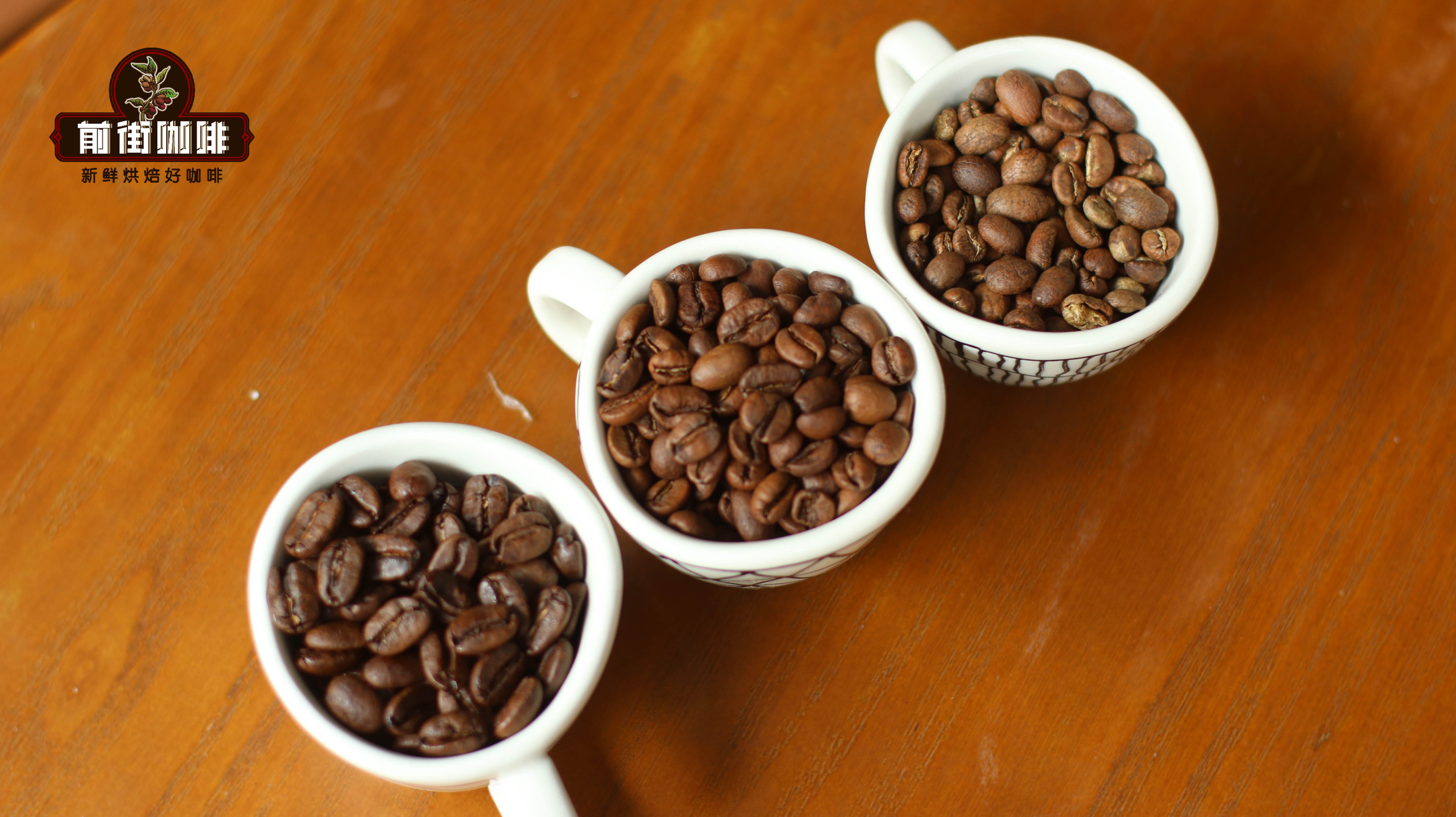
Coffee Bean Roast Levels Illustrated | What Do Japanese Extremely Dark Roast and Nordic Extremely Light Roast Mean? Which Tastes Better, Medium or Dark Roasted Coffee Beans?
Roasting is the process of turning green coffee beans into brown roasted beans~ The longer the roasting time and the longer the beans are exposed to heat, the darker the color of the coffee beans becomes. The surface color (bean surface) of the coffee beans when taken out of the roaster after different durations will also vary. This situation Front Street [more…]